Agronomist visual census
Human eyes in the field
The gap
- Symptoms only visible at 60–70% tissue infection
- Subjective — results vary inspector to inspector
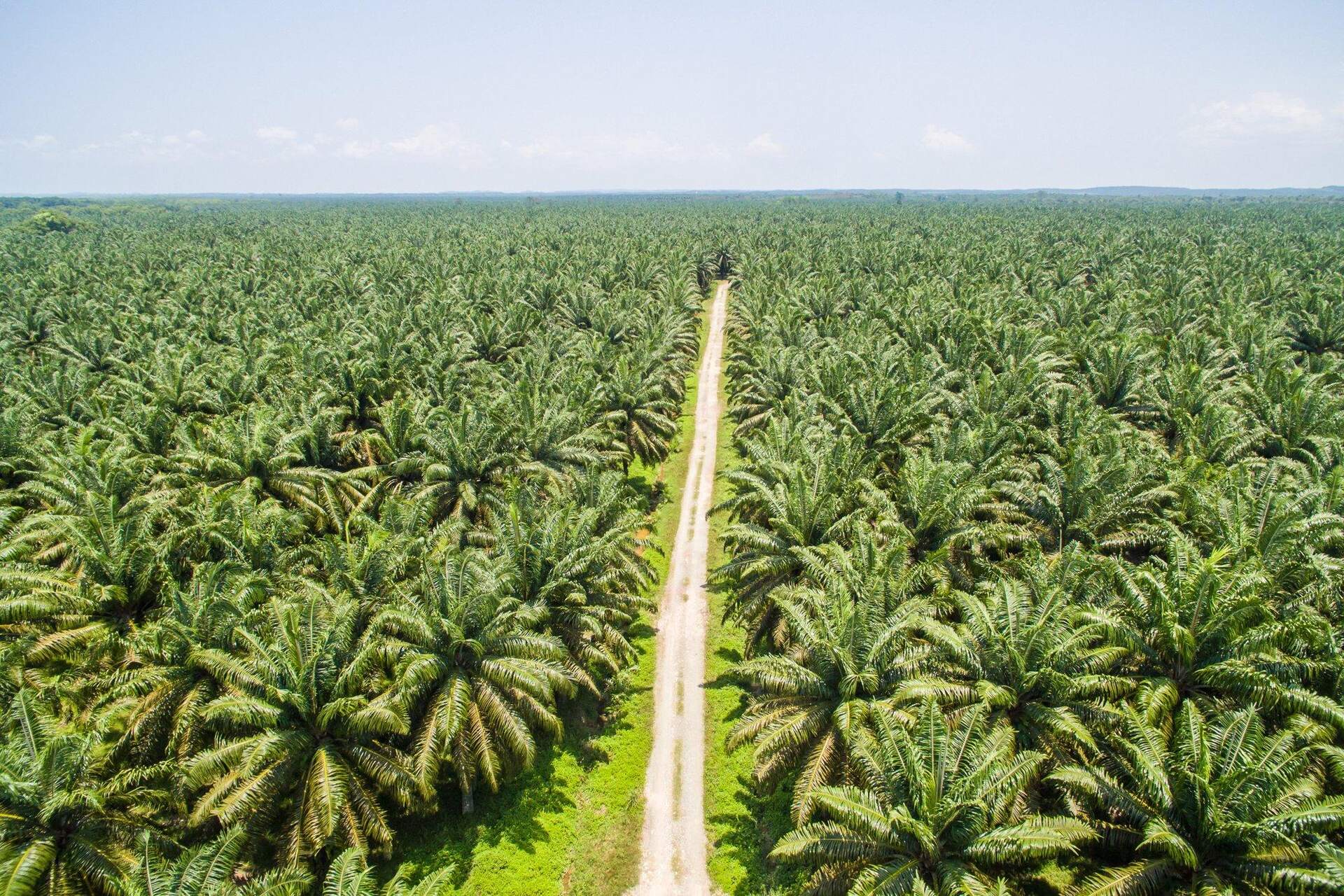
- 5 agronomists cannot cover 5.7 M palms
AI-based visual screening for Ganoderma (basal stem rot) — an offline Android app and management dashboard for plantation workers, agronomists and management.
Centre & frond detection
Shorter / irregular fronds flagged
Visual analysis result
Verification required
GanoAI is an agritech solution developed by Tkraf that enables fast and efficient Ganoderma screening through a smartphone app. Its AI model is trained with expert input to support screening accuracy and help plantations identify palms that require further PCR testing in a laboratory. This targeted approach helps save time, optimize testing costs, and support informed decisions on palm health.
To shape a future where technology empowers every oil palm plantation to stay ahead of Ganoderma, safeguarding productivity and long-term sustainability.
To equip oil palm plantations with fast, objective, and affordable Ganoderma scanning technology, enabling informed decisions and timely, targeted action to protect palm health.
Field officers photograph each palm; analysis runs on the phone, no signal needed.
Computer vision measures frond direction, spacing and crown symmetry.
Green / yellow / red priority, with photo and GPS for every palm.
Maps, review queues and history from block to region level.
Sources: Remote Sensing (MDPI) 2022, 14(5):1239 · Frontiers in Plant Science 2023, 10.3389/fpls.2023.1156869
Hypothetical example for a large plantation — to be tailored with partner data.
≈ 4,560
palms per agronomist, every working day, just to look at each palm once a year (250 working days).
The obstacle is not agronomic expertise.
The number of palms far exceeds the daily capacity for in-depth inspection — so census becomes rushed, sampling becomes random, and early cases slip through.
Human eyes in the field
The gap
Molecular confirmation
The gap
Imagery from above
The gap
Sources: Frontiers in Plant Science 2023; Remote Sensing (MDPI) 2022, 14(5):1239.
AI results set inspection priority — they do not declare a definitive disease status. Every palm gets a colour, a photo and a GPS point.
Green
Stays under routine monitoring. Does not mean proven infection-free.
Yellow
An anomaly, or the AI is not yet certain. Enters the review queue.
Red
Strong visual indication that needs prompt review by an expert.
Ganoderma palms
Healthy palms
Palm ID, sampling date & time and expert status (sakit / tidak sakit) recorded on site.
Expert assessment is recorded independently, then compared with GanoAI screening.
Symptomatic palms are tested alongside healthy controls in the same estate.
GanoAI vs agronomist assessment on a set of palms.
Consistency of results and field workflow readiness.
Independent controls + PCR samples + different plantations.
Share of reference-positive palms flagged yellow or red.
Analysable palms per staff-hour, incl. retakes and walking.
False negatives estimated in independently checked green samples.
Cost per screened palm, equipment readiness, value scenarios.